
Is there a place for Psychedelics in Medical Clinics?

Health care professionals are continuously looking for new ways to better care for their patients. One of the main concerns they have these days is that the complex world we’re living in is leading to more strenuous conditions and mental health decline. There are numerous prescription medications available for treating mental health issues such as anxiety, PTSD, depression and addiction, but unfortunately, they often come up short of being a long-term solution. In some instances, these drugs are found to be completely ineffective for certain patients.
Psychedelic Options
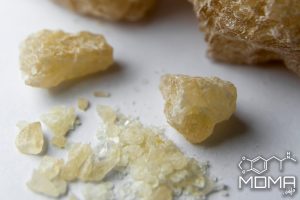
In thinking outside the box, researchers have been looking into mind-altering drugs, or psychedelics to see if there’s some promise in use for patients. Some of the most promising substances found are:
What do we know?
There has been a lot of anecdotal evidence gathered over the years from use of these psychedelic drugs. The problem is that until recently in some jurisdictions, they haven’t been used in controlled medical clinics in order to follow the scientific process. Studies are now more common however and some, such as MAPS has even concluded a phase 3 study into MDMA which showed very promising results.
What can they treat?
There’s a lot of overlap in the types of conditions these drugs can be used to treat. That’s likely because in all instances they allow for a different frame of reference which allows people to look at issues differently. When looking at MDMA specifically since it has the most research behind it, you’ll find that there’s a lot of interest in using it to treat:
- Depression
- PTSD
- Anxiety
- Addiction
- Relationship issues
So is there a place in Medical Clinics for them?
We think the future is very bright for psychedelics, but there are some hurdles they need to get over. The first is regulatory concerns. Some countries are recognizing the value of these alternative treatments and have made allowances for them, such as the Special Access Program in Canada. Many of these, such as MDMA are still Schedule 1 drugs in the US and that’s a significant impediment to their progress there. There are many researchers interested in running studies, but the industry is still underdeveloped and it’s difficult to find a legal clinical quality MDMA supplier.
We hope to see more of these treatments in the future. While we don’t condone or hope to see recreational use of these substances, there’s too much promise and too many people hurting to give up on these very promising options.