
Telemedicine vs. Telehealth: Understanding the Difference

You may have encountered the terms “telemedicine” and “telehealth” used synonymously. However, is telemedicine the same as telehealth? Although both pertain to the provision of remote healthcare services, they each possess unique scopes and purposes.
In this article, we will delve into the distinctions between telemedicine and telehealth, the advantages they offer, and the ways they can revolutionize the delivery of healthcare services.
Telemedicine: Focused on Remote Clinical Services
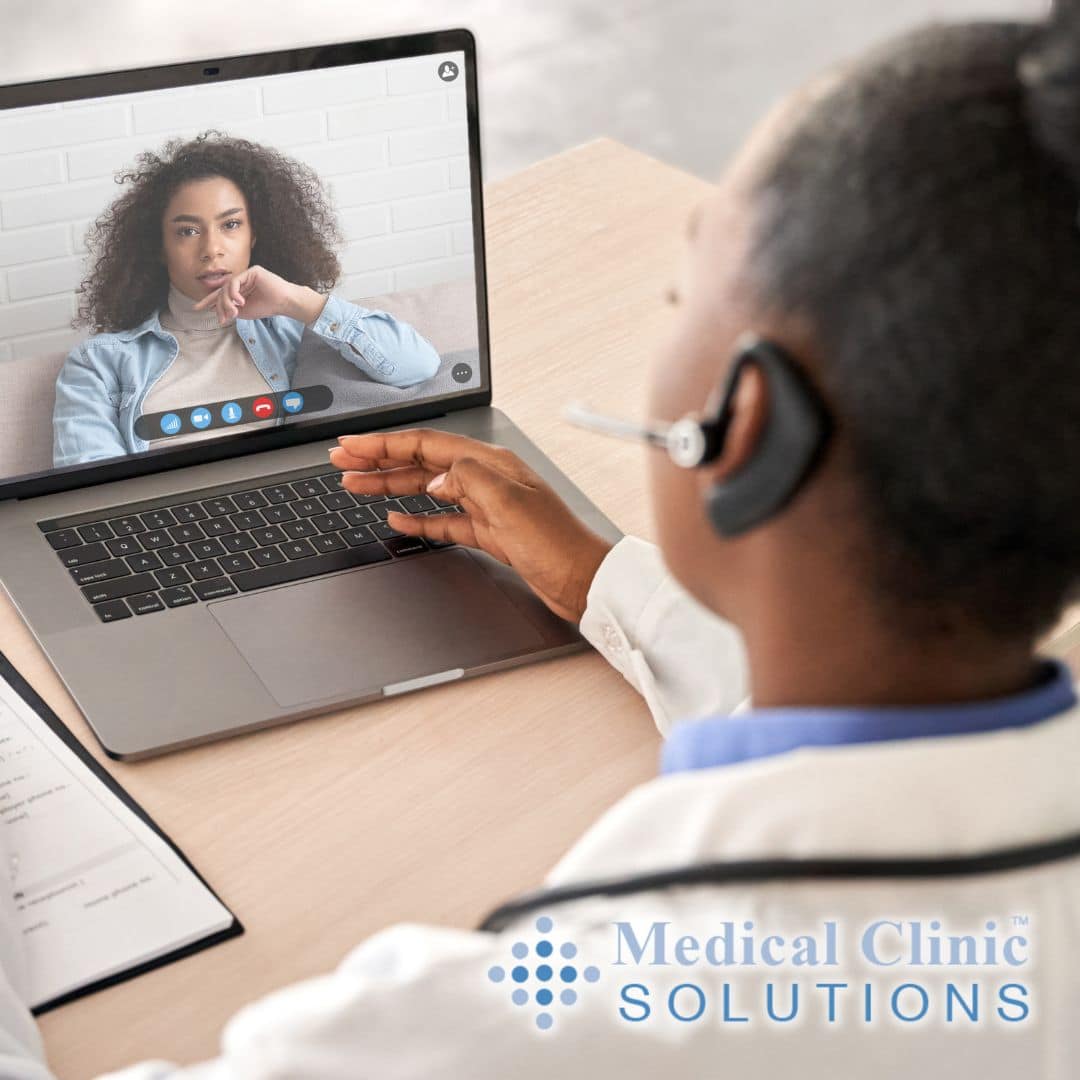
Telemedicine refers specifically to remote clinical services provided by healthcare professionals. It enables physicians and clinic staff to deliver medical care using telecommunications technologies for medical services, such as video conferencing and digital imaging. Most telemedicine services easily available include:
Remote Diagnosis and Treatment
- Remote patient consultations
- Assessing medical conditions
- Prescribing medications
- Monitoring treatment progress
Specialist Consultations
- Remote case reviews
- Second opinions
- Collaborative treatment planning
Benefits of Telemedicine
Telemedicine offers numerous advantages for healthcare providers and patients, including:
- Improved Access to Medical Care
- Cost Savings
- Enhanced Patient Outcomes
Telehealth: A Broader Scope Beyond Clinical Care

On the other hand, telehealth encompasses a wider range of remote healthcare services, both clinical and non-clinical. It includes remote patient monitoring, continuing medical education for healthcare professionals, patient health education, and health administration services.
Non-Clinical Services in Telehealth
- Health education for patients and families
- Professional health-related education for providers
- Administrative meetings and support
- Provider training and development
Technology in Telehealth
- Wearable devices for remote health monitoring (e.g., blood pressure monitors)
- Mobile health applications for patient engagement and self-management
- Telecommunications platforms for long-distance healthcare
Benefits of Telehealth
Telehealth offers a comprehensive approach to healthcare delivery that goes beyond direct patient care. Some key benefits include:
- Expanded Healthcare Access
- Healthcare Promotion and Management
- Improved Patient Engagement
Various Instances of Telehealth and Telemedicine Services
- Video consultations: Patients can consult with healthcare professionals via video conferencing tools, allowing for virtual face-to-face consultations and reducing the need for physical visits.
- Remote patient monitoring: Using connected devices, healthcare providers can monitor patients’ vital signs, blood glucose levels, or heart rates from a distance, allowing for timely interventions and better management of chronic conditions.
- Telepsychiatry: Mental health professionals can provide remote therapy and counseling sessions to patients via video or phone calls, expanding access to mental health services.
- Teleradiology: Radiologists can interpret medical imaging results, such as X-rays, MRIs, or CT scans, remotely and share their findings with healthcare providers and patients.
- Telepharmacy: Pharmacists can offer medication management, remote prescription refills, and medication therapy management services through phone or video consultations.
- Tele-rehabilitation: Physical, occupational, and speech therapists can provide remote therapy sessions and monitor patients’ progress through teleconferencing and specialized software.
- mHealth (mobile health): Mobile applications and wearable devices can help patients track and manage their health, receive medication reminders, and access educational resources.
The Impact of Telehealth and Telemedicine on Healthcare Delivery
1. Expanding Access to Quality Care
By leveraging these remote medical services, healthcare professionals can:
- Reach more patients in need of medical care, regardless of their location
- Reduce travel time and expenses for both patients and providers
- Offer flexible appointment scheduling for improved patient satisfaction
2. Enhancing Patient Outcomes
With remote monitoring and consistent communication, healthcare providers can:
- Find early warning signs and intervene before health issues escalate
- Improve medication adherence and self-management of chronic conditions
- Foster stronger relationships between patients and healthcare providers
3. Streamlining Healthcare Operations
By incorporating remote non-clinical services, such as administrative meetings and continuing medical education, healthcare professionals can:
- Save time and resources that can be redirected to patient care
- Collaborate more effectively with colleagues and specialists
- Access up-to-date information and stay current with best practices
Addressing the Challenges and Concerns
Ensuring Patient Privacy and Data Security
Healthcare professionals must prioritize the protection of sensitive information by:
- Utilizing secure and encrypted communication platforms
- Staying informed about the latest cybersecurity practices
- Providing patient education on privacy protection and secure technology use
Overcoming Technological Barriers
To promote inclusivity and accessibility, it’s essential to:
- Provide user-friendly interfaces and training for patients and providers
- Ensure compatibility with various devices and internet connections
- Offer technical support and resources for troubleshooting issues
Adapting to the Changing Landscape of Healthcare
By keeping up-to-date with the best practices and technological innovations, you can offer your patients the highest level of care possible, no matter where they are located.
Engaging in Continuous Learning and Collaboration
One of the keys to success in adopting telehealth and telemedicine services is engaging in continuous learning and collaboration with your peers. This includes:
- Participating in professional development opportunities, such as workshops, webinars, and conferences focused on telehealth and telemedicine
- Joining professional organizations or online forums to share experiences, best practices, and resources with other healthcare professionals
- Collaborating with specialists and experts in the field to expand your knowledge and enhance your practice
Evaluating and Implementing New Technologies
As telehealth and telemedicine technologies continue to advance, it is essential to evaluate and implement new tools and platforms that can further improve your practice. Consider the following when evaluating new technologies:
- Assess the functionality and compatibility with your existing systems
- Ensure that the technology adheres to relevant industry standards and regulations
- Gather feedback from patients and staff to gauge the effectiveness and user-friendliness of the technology
Frequently Asked Questions
1. What does the World Health Organization say about telehealth and telemedicine?
The World Health Organization (WHO) recognizes the potential of telehealth and telemedicine in expanding access to healthcare, particularly in underserved communities. They encourage the integration of these services into healthcare systems worldwide.
2. Can telemedicine replace in-person visits?
While telemedicine can be a valuable tool for healthcare professionals, it should not replace in-person visits entirely. Instead, telemedicine should be used to complement traditional care, offering additional flexibility and convenience for both patients and providers.
3. Are telehealth services covered by insurance?
Coverage for telehealth services varies depending on the insurance provider and specific plan. In recent years, many insurance companies have started including telehealth services in their coverage as a response to growing demand. Healthcare professionals and patients need to check with their respective insurance providers to determine coverage details.
Conclusion

By embracing both telehealth and telemedicine, healthcare providers can enhance access to care, promote preventive measures, and empower patients to take control of their health. As technology continues to advance, the future of healthcare delivery will depend heavily on telehealth and telemedicine.
Stay informed about the latest developments in remote healthcare and explore various telemedicine and telehealth service options to enhance your practice and better serve your patients.